M5 hinge passages run on as slots through the 45° knuckle faces
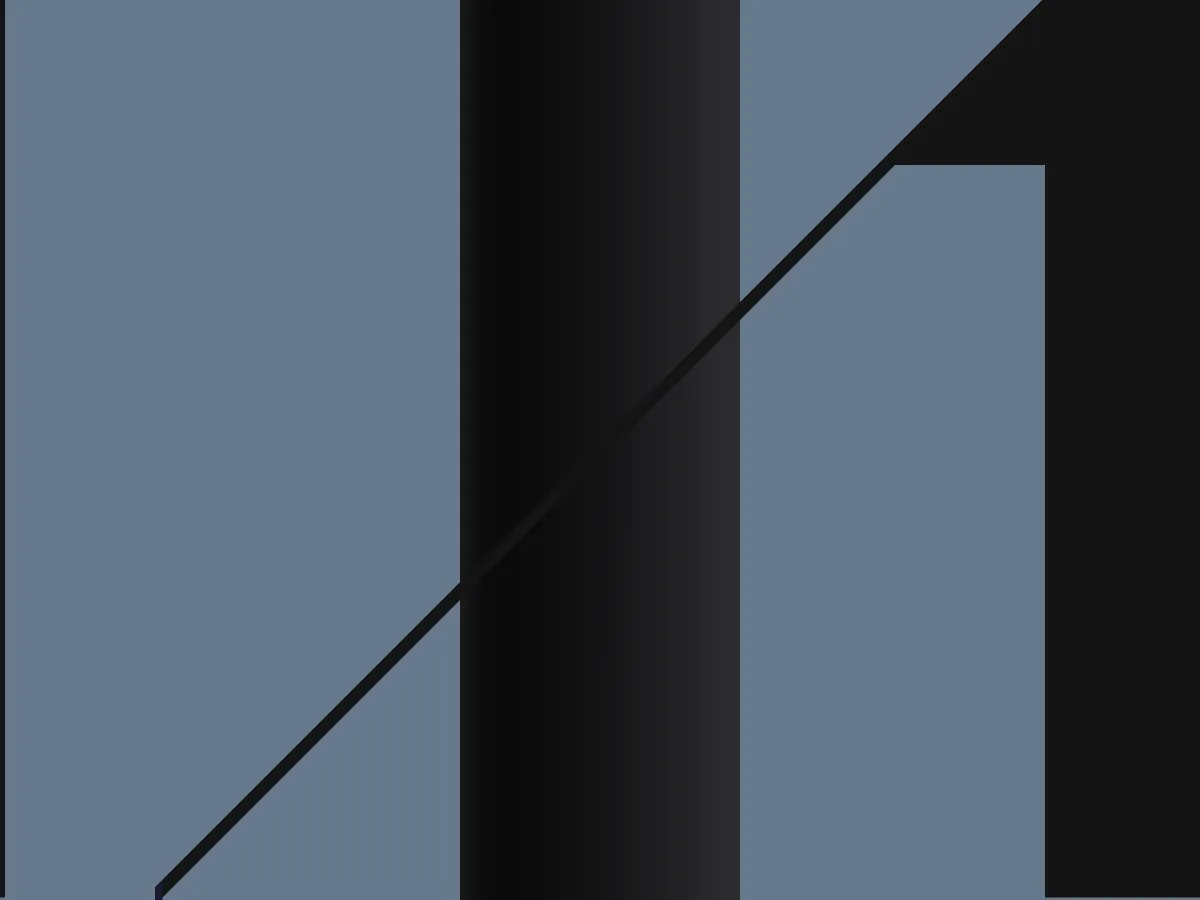
 Slots
BeforeAfter
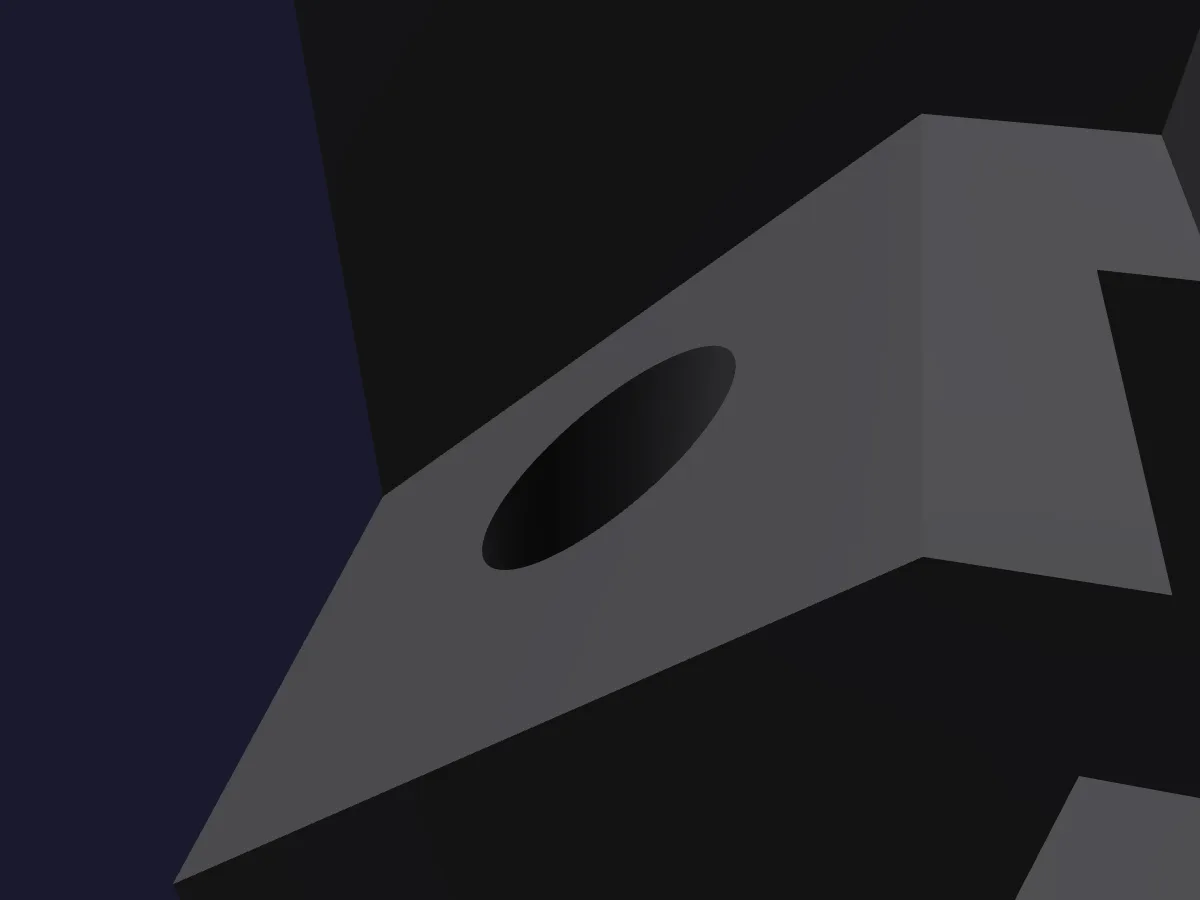
 Slot
BeforeAfter

 Slot
BeforeAfter
Where the lower Y-seam hinge's M5 bore crossed a 45° knuckle face, it left a skin 0.27–0.39 mm thick. Each crossing carries the passage on as a slot instead.
The lower Y-seam hinge's M5 passage runs up through four 45° knuckle faces at each side wall: back-bottom's lower knuckle top, front-bottom's knuckle underside and top, and back-bottom's upper knuckle underside. A vertical bore through a 45° face leaves a knife edge on the half where the face climbs away from the bore, and the geometry lint read those edges as skins 0.27–0.39 mm thick on front-bottom and back-bottom. On that half each crossing carries the passage on as a slot of the bore's own width, closed 1 mm past the passage wall by a face square to the knuckle face. The pictures show the −X wall; the +X wall is its mirror.
The same commit ends the back rails' under-flare with its arm, clear of the rear corner column, where the flare's edge met the mouth on a 0.079 mm arris at Y457, and stops back-bottom's full-depth knuckle under the Z seam at the rail's flank, where it left a 0.39 mm sliver at Y219.8. Neither shows at this scale.
Derek asked for this round of fixes: "...we first need to address all the issues that already fail in our digital twin model."